

Following the path: What Wainwright's legacy can teach us about climate action
This post was written by Dr Richard Swannell, Oxford Martin School Visiting Fellow.
This year, the Coast to Coast Trail became an official UK National Trail. For many walkers, that recognition is long overdue. Stretching from the Irish Sea to the North Sea, the trail traverses some of England's most spectacular landscapes, linking coastlines, mountains, valleys and villages. It is a route that captures both the beauty of nature and the enduring spirit of those who care enough to protect and share it.
Along the newly improved paths, walkers will notice new waymarkers bearing the intials 'AW', written in the distinctive hand of Alfred Wainwright. These simple signs offer reassurance, particularly when the weather closes in on an exposed ridge and the way ahead is uncertain. In the swirling wind and rain, his hand still points the way.
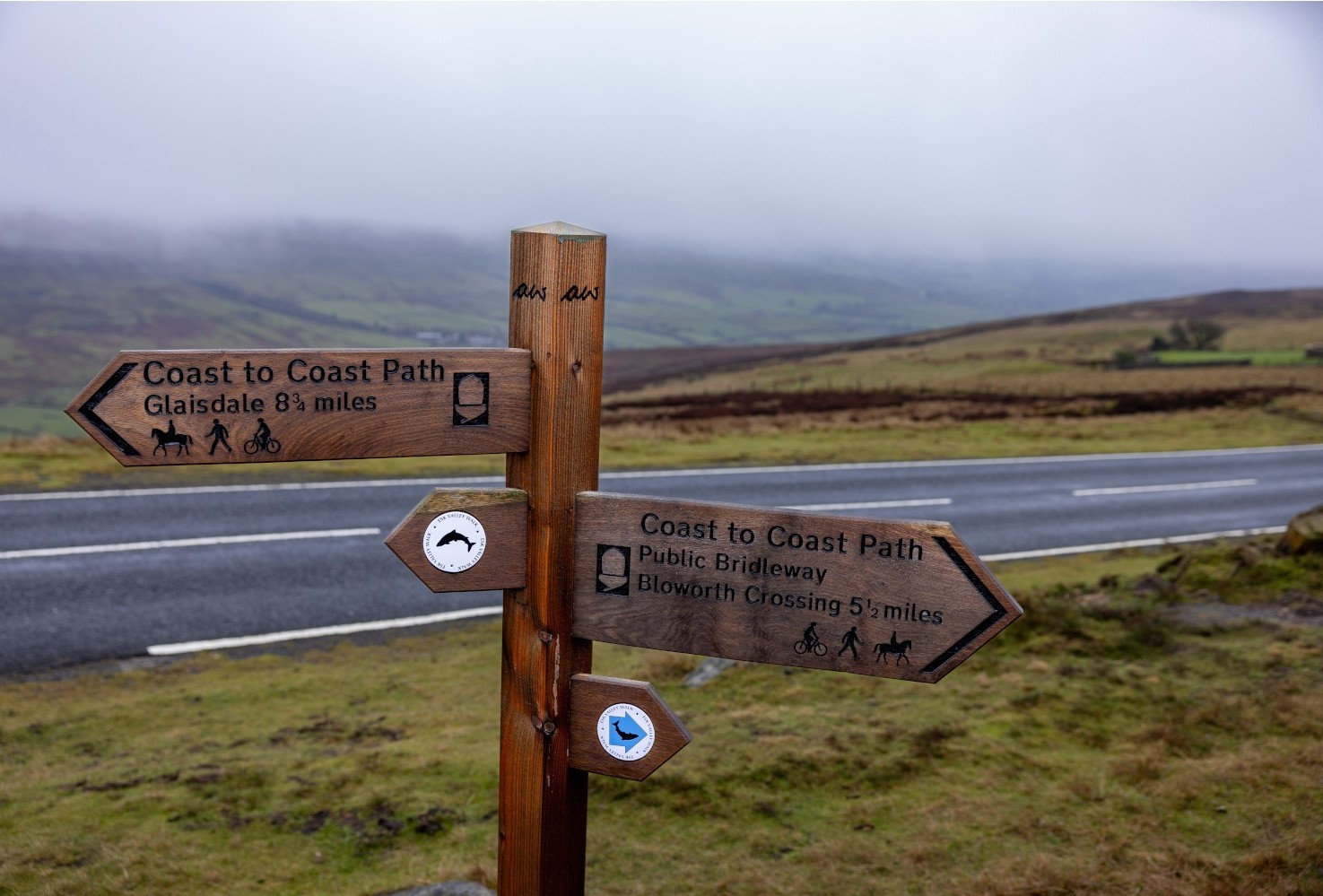
Wainwright could hardly have imagined that the route he first described in 1973 would one day become a National Trail. Yet his vision, persistence and love of the landscape inspired countless others. Campaigners, local communities, volunteers, businesses and public bodies all played their part in bringing this achievement to fruition. Together, they created something of lasting value.
The Coast to Coast Trail is more than a walking route. It supports local economies, bringing visitors from around the world to villages and market towns along its path. It encourages people to spend time outdoors, fostering a deeper appreciation of the natural world and improving mental health. Most importantly, it reminds us that one person's idea, supported by others who share a common purpose, can have a profound and positive impact.
As we mark London Climate Action Week, there is an important lesson here.
Climate change is one of the greatest challenges humanity has ever faced. The scale of the problem can sometimes feel overwhelming. Faced with rising temperatures, biodiversity loss, and increasingly extreme weather events, it is easy to question whether individual actions really matter.
History tells us otherwise. Meaningful change often begins with people who are prepared to take the first step. They recognise a need, articulate a vision, and invite others to join them. Progress is rarely the result of a single heroic act; it is built through countless contributions from individuals, communities, organisations, and governments working together over time.
We already know many of the actions needed to address climate change. We can reduce emissions, restore nature, invest in cleaner technologies, and make more sustainable choices in our daily lives. We can advocate for policies that support a fair transition and hold decision-makers accountable. We can share ideas, support one another and refuse to accept that the future is beyond our influence.
The path ahead will not always be straightforward. There will be moments of uncertainty and setbacks along the way. Yet the Coast to Coast Trail offers a powerful reminder that lasting change is possible.
The question is not whether one person can make a difference. The question is what might happen when many people choose to act together.
Future generations will inherit the consequences of the choices we make today. Let us ensure that the legacy we leave is one of courage, determination, and hope. Like Wainwright's hand guiding walkers across the fells, may our actions point the way toward a safer, fairer, and more sustainable future.