

How innovation system-of-systems embrace antifragility: Historical evidence from the Swedish alternative protein industry
How do we successfully encourage dietary change?
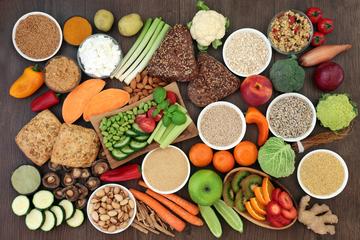
How do we successfully encourage dietary change?
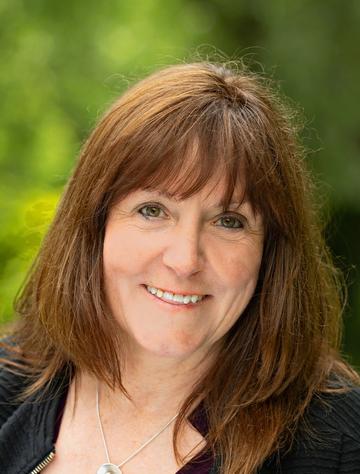
Professor Louise Dye
Date: Thursday 5 February, 16:00
Location: Oxford Martin School, seminar room 1 and online
Join us for a seminar with Professor Louise Dye from the University of Sheffield.
Title: How do we successfully encourage dietary change?
Abstract: Changing dietary behaviour and influencing consumer choice to bring about health benefits and increase consumption of sustainable products is slow and difficult. Fibre intake has been promoted by public health campaigns across Europe. Simultaneously, the food industry has implemented reformulation and innovation efforts to increase fibre or incorporate alternative plant-based proteins in products with varying degrees of success. Despite these efforts, fibre intakes have remained low in many European countries, including the UK, and remain below current recommendations. Plant-based products remain a fairly niche market. There are excellent examples of public health-industry partnerships which aim to increase fibre intake. For example, the Danish Wholegrain Partnership (DWP) aimed to make it easier for Danes to consumer wholegrains by increasing availability and making wholegrains a natural part of the daily diet. The DWP was successful in increasing products available carrying a wholegrain label, almost doubling the fibre intake of the population as a whole. Here we considering learnings from the DWP and how to apply this to the UK (and by implication other European countries) and to other foods. This presentation will consider barriers to changing diets, and the various strategies that can be employed, ranging from reformulation to exposure in anchor institutions such as schools (e.g. via school breakfast programmes) and the importance of consumer perception and understanding. Strategies to improve nutritional intake and reduce health inequalities need to take into account the agency of the target population and the resources required to achieve a healthy diet, which have been significantly reduced by the cost of living crisis. Health by stealth approaches which consider reformulation to increase fibre or alternative proteins in familiar foods/products could be one of the most effective methods but requires technical innovation in terms of taste, texture, acceptability, and affordability.
Professor Louise Dye is a Chartered Health Psychologist and Co-Director of the Institute for Sustainable Food at the University of Sheffield. Louise is Co-Director of the SFI/DAERA/UKRI-funded Co-Centre for Sustainable Food Systems, and leads a work package on increasing dietary fibre intake in low-income consumers in the UKRI-funded H3 project which explores how to encourage and sustain dietary behaviour change at individual, organisational and societal levels. She is Co-Director of the National Alternative Protein Innovation Knowledge Centre, where she leads the People pillar, aiming to understand and improve consumer acceptance of alternative proteins.
move to carousel movement controls


From global to local: The challenges of reducing household food insecurity
From global to local: The challenges of reducing household food insecurity

Maize and the politics of provisioning in South Africa


